
Background Information
Skip to on-site pictures and information here.
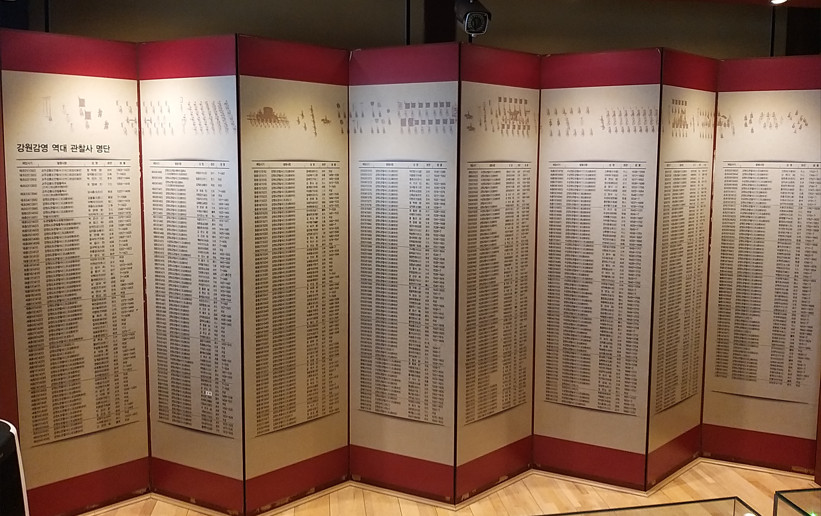
Gamyeong (감영) are Provincial Magistrate’s/Governor offices. Governors were referred to as Gwanchalsa (관찰사).
This one in particular was situated in Wonju, and served as the administrative office for the whole of Gangwon province during the Joseon dynasty.
Wonju was chosen as the administrative seat largely due to it being the biggest city in the region, but it was also the nearest city to to Hanyang (present-day Seoul), the capital of Joseon, and could therefore serve as efficient communication between the central and provincial administrations.
During the Joseon period, the Gwanchalsa were the highest ranking officials, responsible for provincial administration and military.
The original buildings were destroyed by fire during the Imjinwaeran (Imjin War), a seven-year war between Joseon (present-day Korea) and Japan. The war was initiated by the Japanese invasion of Korean Peninsula in 1592.
In 1634, the construction of new offices were begun under the leadership of Yi Bae-Won, who was serving as the administrative chief at the time. Yi Bae-won’s successors continued the construction of the new offices.
The Provincial Magstrate’s Office of Gangwon had been the administrative center for Ganwon-do for 500 years, from 1395 to 1895, when Joseon reformed its administrative divisions from 8 provinces (Do 도) to 23 prefectures (Bu 부).
The provincial office complex was used as the headquarters of the newly established regional garrison (Jinwidae) since 1900, but lost most of its buildings during the colonial period (1910 – 1945) and subsequent Korean War (1950 – 1953), in addition to the more recent process of urbanization.
Since then, it had been briefly used as the county office of Wonju-gun.
Restoration of the Gamyeong was finished in 2018.
Today, after having served about 500 years as the central role in Gangwon-do, the Provincial Magistrate’s Office of Gangwon is open to the public.
On-site
The gwanchalsa had three main gates. Each on served a purpose, and depending on the importance or severity of the matter, you had to in deeper into the confines of the gwanchalsa.
* Note: The quick-links below are written in order of the map, and not in order of the post.
Map of the area
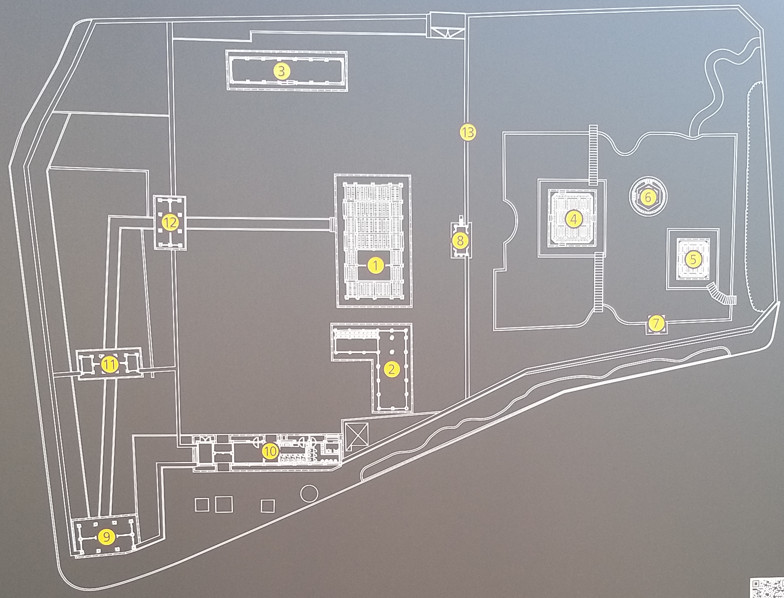
Buildings are:
1) Seonhwadang (Main Office) – 선화당 2) Living Quarters – 내아
3) An ancillary space – 행각 4) Yeongjugwan Hall – 영주관
5) Bongnaegak Hall – 봉래각 6) Chaeyago Pavilion – 채약오
7) Joojeong Pavilion – 조오정 8) Documents Archives – 책방
9) Pojeongnu (Front Gate) – 포정루 10) Administration Building – 관리사
11) Jungsammun Gate – 중삼문 12) Naesammun Gate – 내삼문
13) Ilgakmun Gate – 일각문
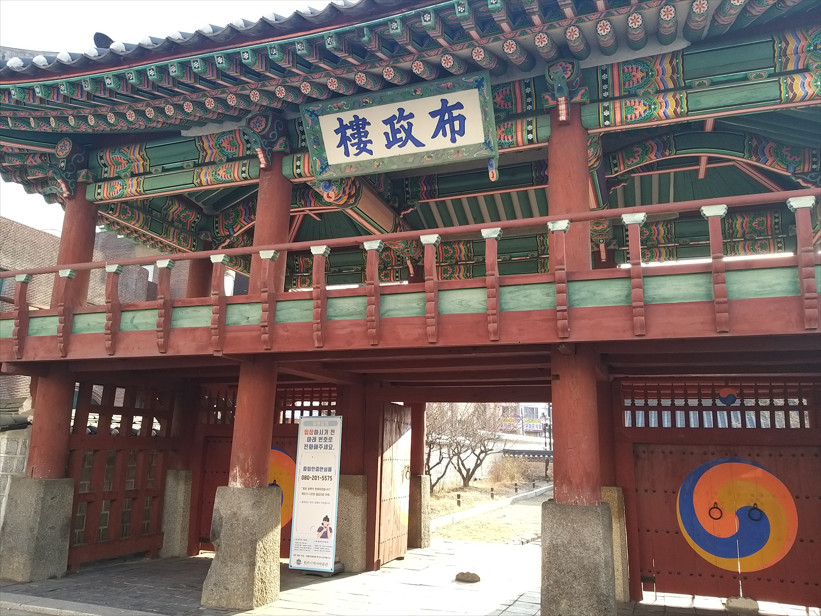
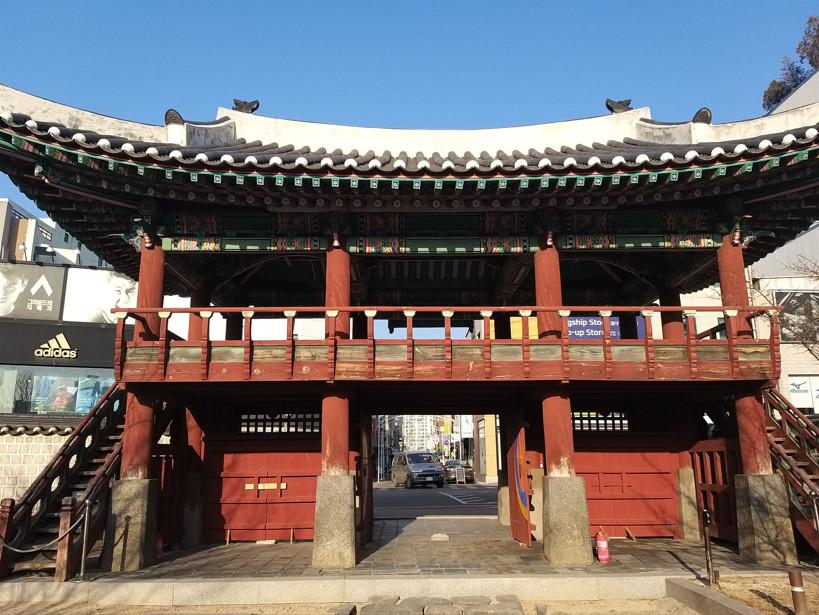
The First Gate – Pojeongnu (Front Gate) – 포정루
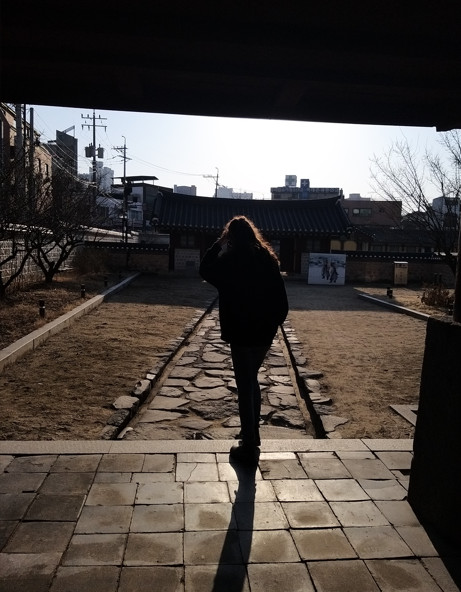
The Second Gate – Jungsammun Gate – 중삼문
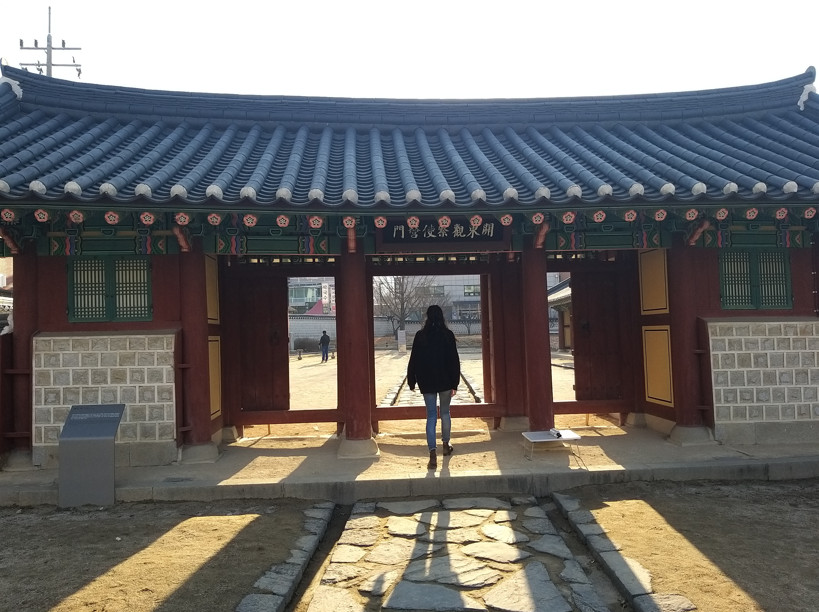
This is the second of three gates one needed to pass through to reach the Seonhwadang Hall, the magistrate’s main office. The gate was manned by guards who were responsible for checking the identities of the visitors to the magistrate’s office.
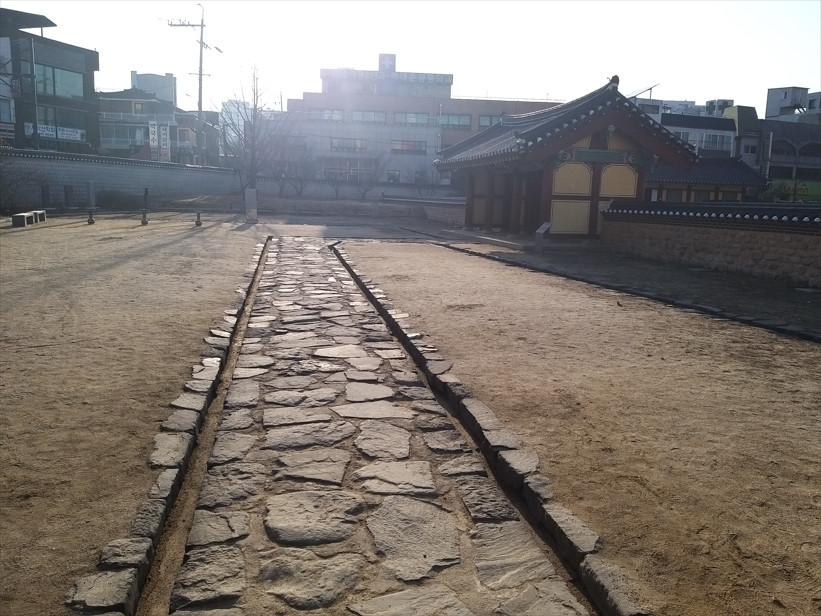
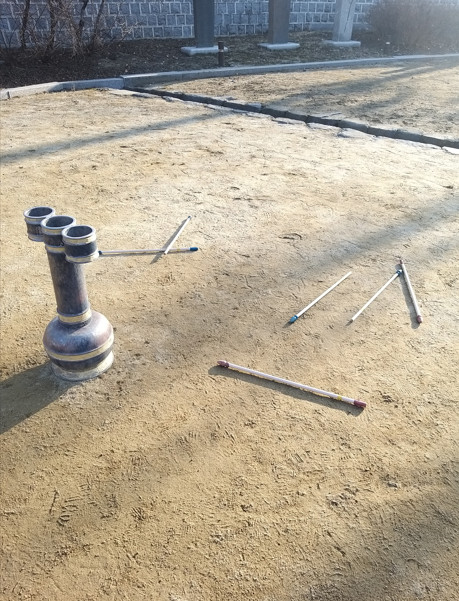
After having passed the first gate, and the second gate, one enters a yard of sorts. Here I could not get much information, but I can nevertheless try and speculate. I believe here people were allowed to interact with each other and play some games. Here, one can also find an area which was specifically designated for a craft workshop site (office)… I wonder if this yard was also used for trade and commerce related activities.
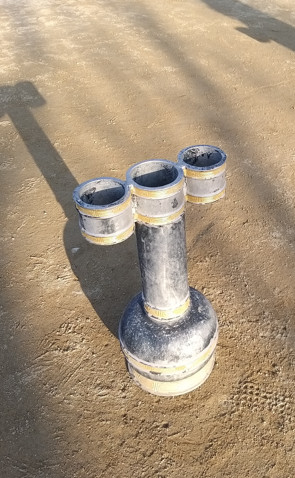
투호 Tuho – Traditional Game – Read more about Tuho here.
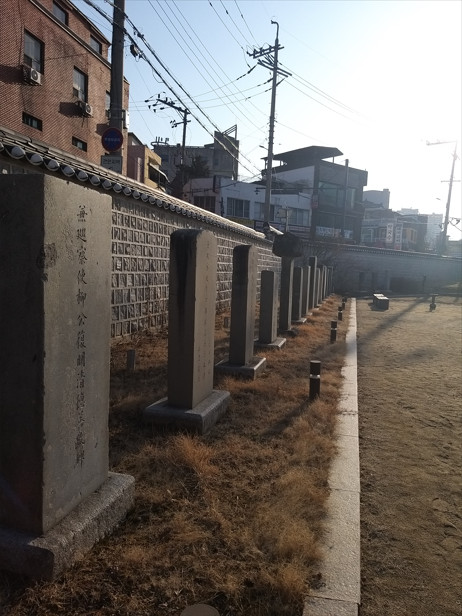
Stone Steles for Past Honorary Administrators and Governors
These are stone steles (Seonjeongbi – 선정비) for good administrators of the past. They were set up to honor the achievements of the officials who served as either the Provincial Magistrate of Gangwon, or Prefectural Administrator of Wonju-mok during the Joseon dynasty. These commemorative steles were set up not only to praise the officials for their good governance, but also to warn their successors.
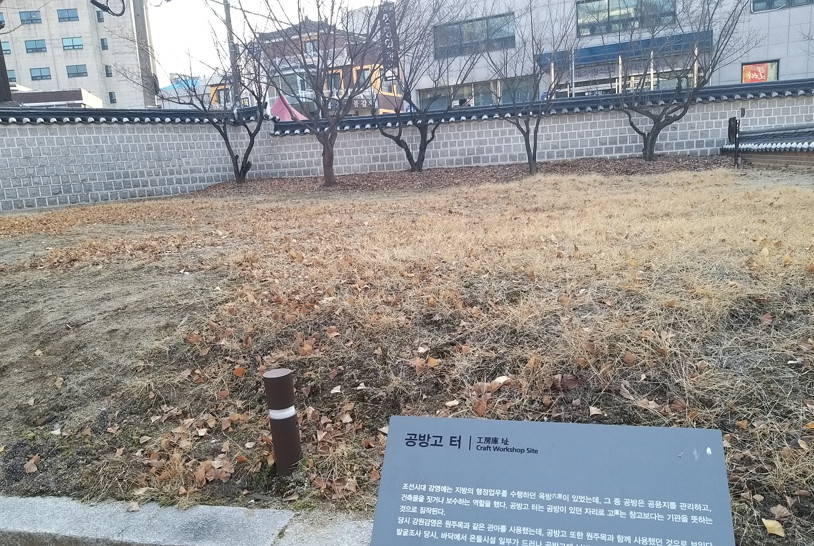
Craft Workshop Site
The facility was managed by the Office of Works (Gongbang), one of the Six Offices (Yukbang) making up each provincial administration of Joseon responsible for the management of state-owned lands and construction and repair of public buildings. The excavation of the site has revealed that the storage was furnished with the traditional under-floor heating system, the Ondol.
The Third Gate – Naesammun Gate – 내삼문
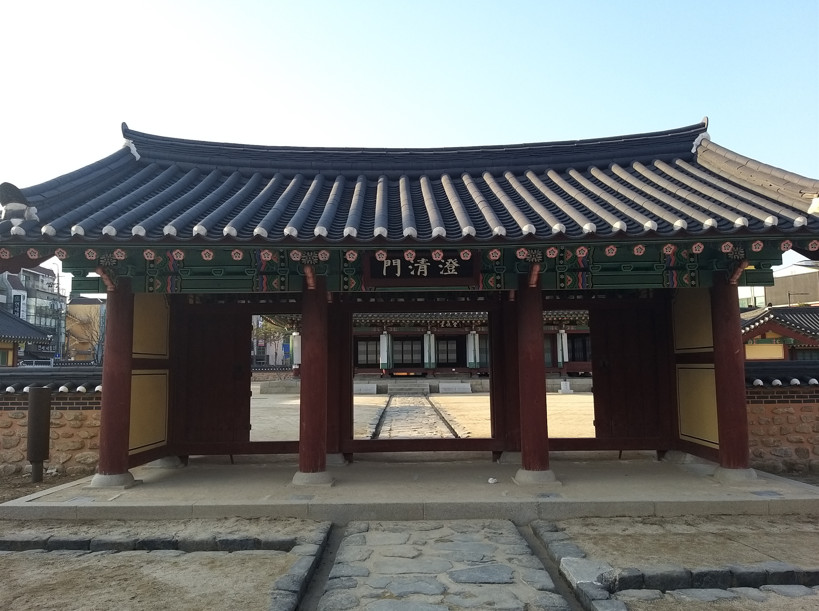
The third gate, Naesammun, originally called Jingcheonmun, was located at the innermost part in the premises of the magistrate’s office, where visitors needed to state their identity one last time to the gate keepers.
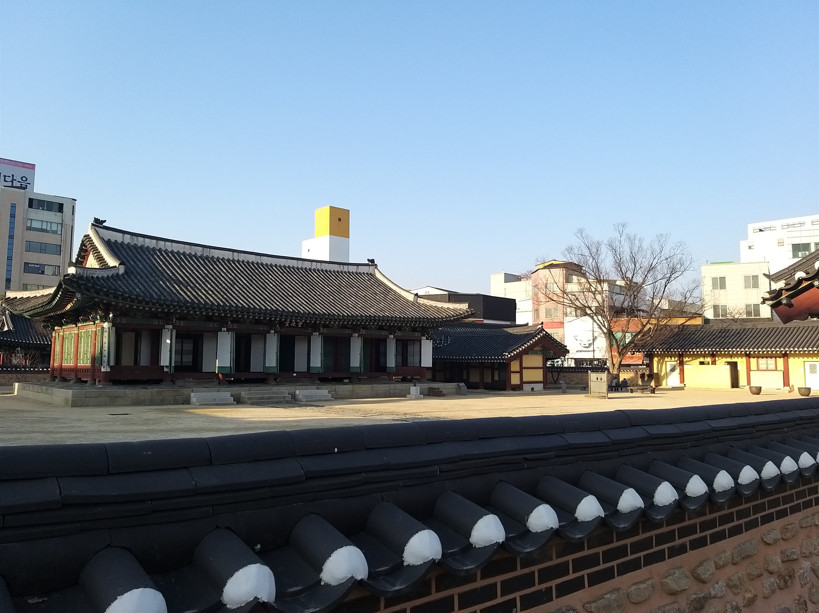
Seonhwadang – Main Office – 선화당
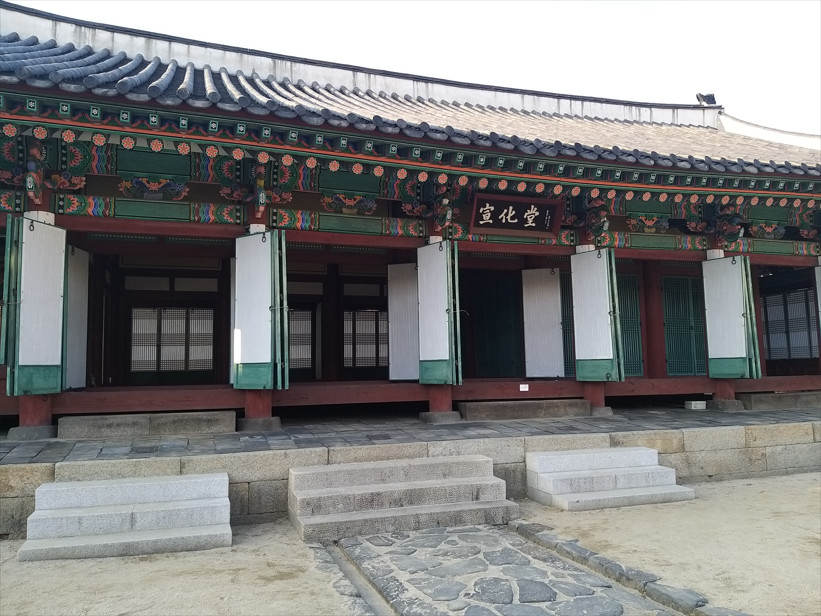
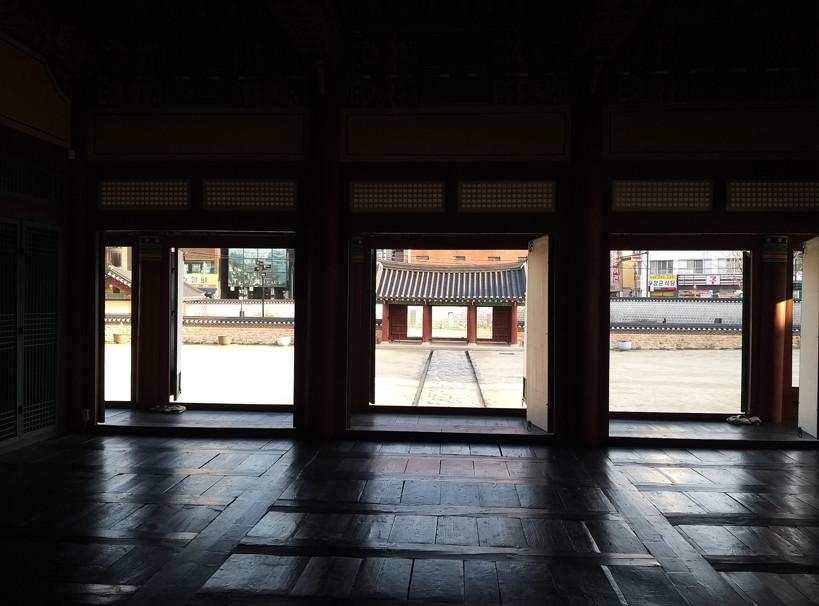
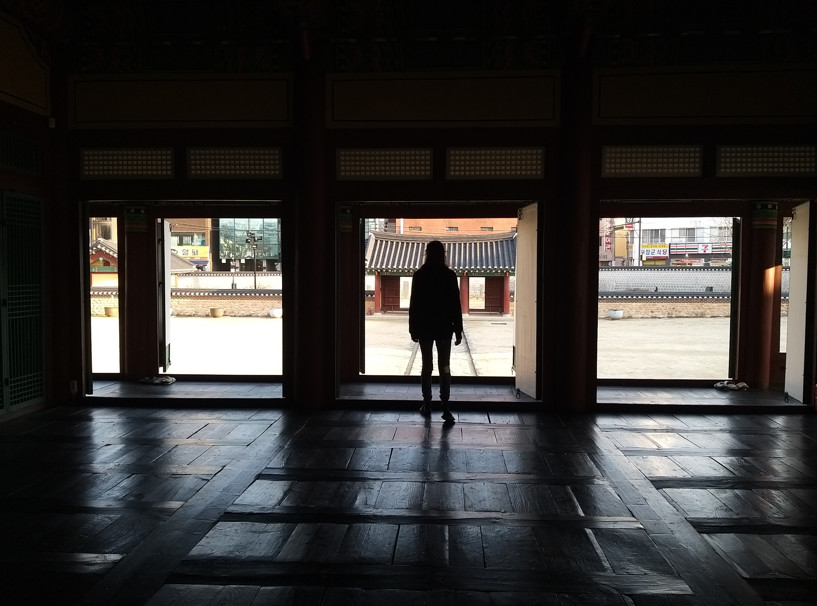
The Seonhwadang Hall is the central building of the Provincial Magistrate’s Office of Gangwon. It was used for the exaltation of the king’s virtues and enlightenment of the people. The building had been used as the main office of the Provincial Magistrate (Gwanchalsa) of Gangwon for about 500 years during the Joseon period, until it was closed in 1895 according to a government reform plan. It was in this building that the magistrate performed his duties in administration, agriculture, taxation, military, and judicial affairs. The current building speed began to be built in 1665 by Yi- Man-yeong, the provincial magistrate at the time. It was completed two years later when the administration was headed by Yi Hu-san. The building was also briefly used as the administrative office of Wonseong-gun (Past name of Wonju).
Haengak – Ancillary Space – 행각
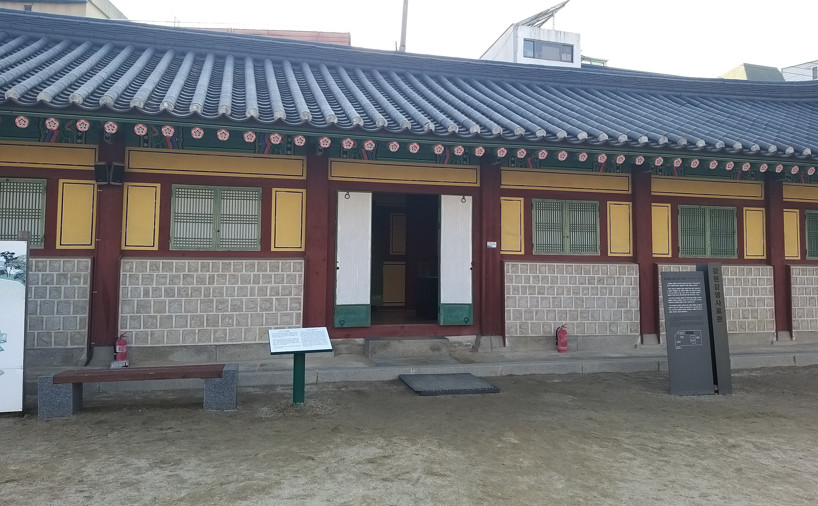
To the left of the Seonhwadang, one can find the Haengak.
The Haengak were sub-buildings of Jeongdang (Main Building), which were the main buildings of a palace, or Buddhist Temple. Heangak were usually placed on either side of the main building. Seonwhadang in particular, had 3 sub-buildings. The Heangak, Boseongo and Gonggo.
According to old mapping records, these sub-buildings were usually shared space, and not divided for individuals. I’d like to assume, this was allocated as the temporary shelter for visitors.
Currently, after restoration, the Haengak serves as a small history library and exhibition space.
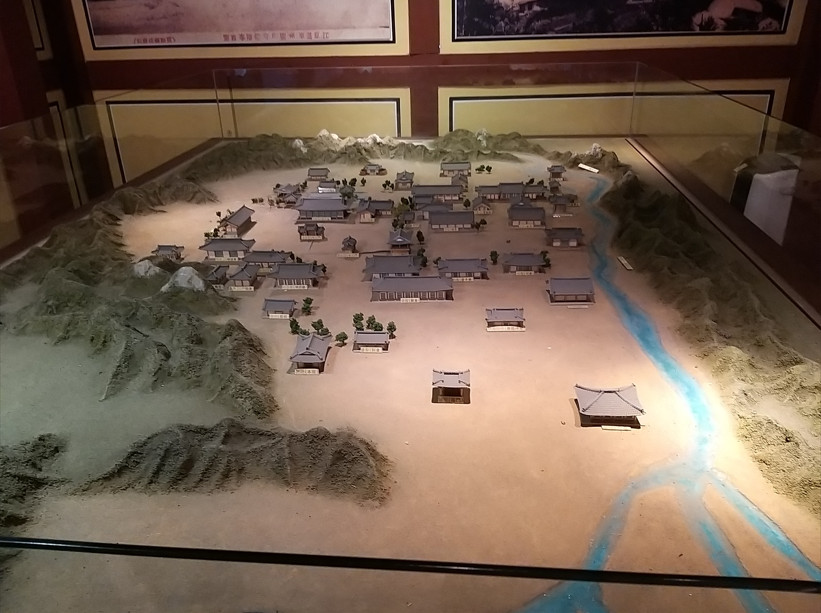
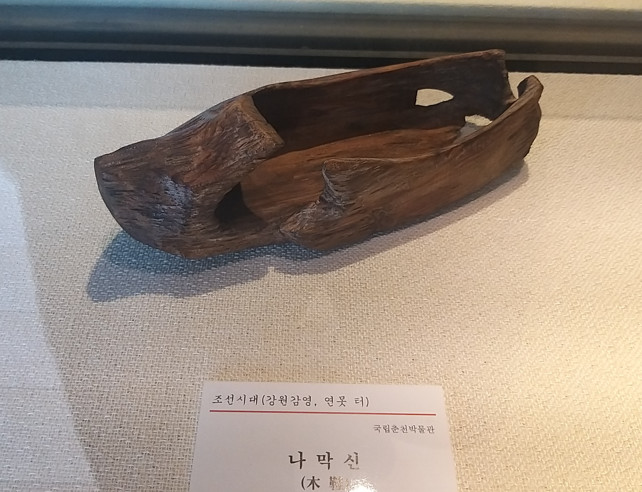
Inside the Haengak History Exhibition
Naea – Living Quarters – 내아
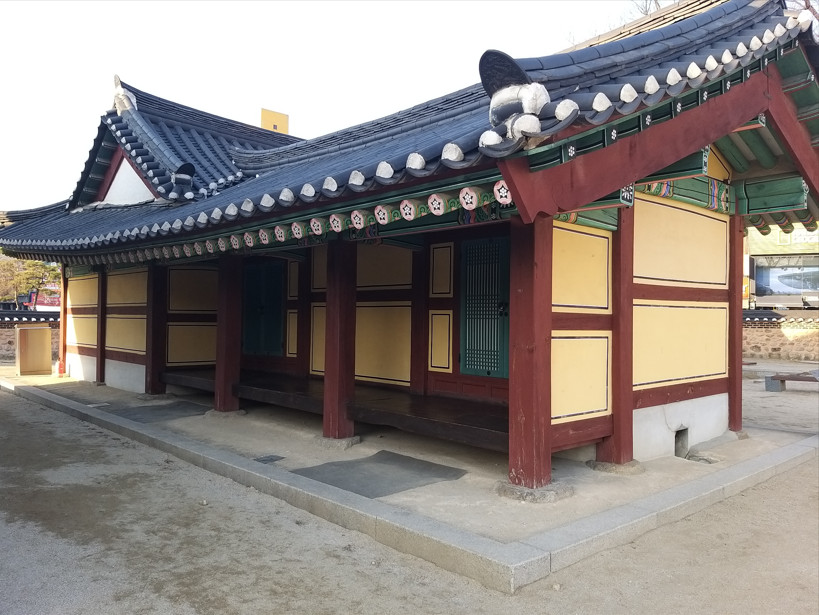
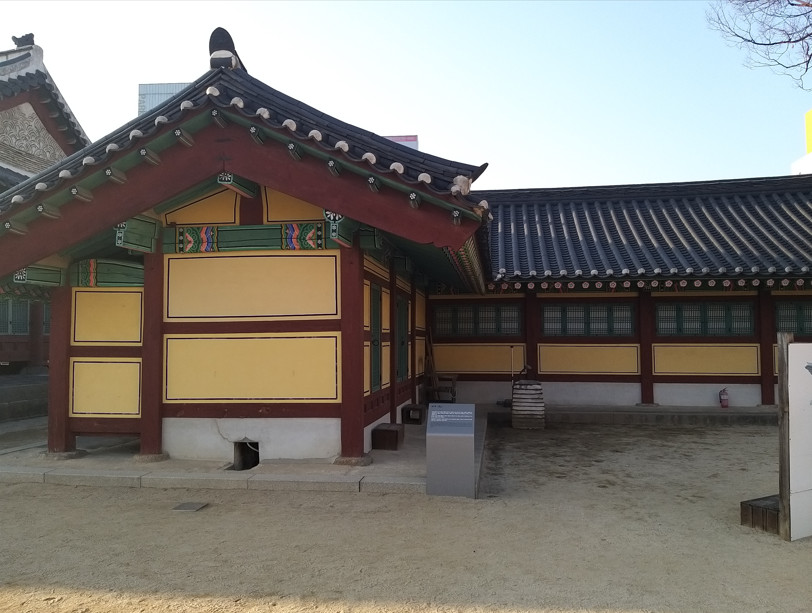
To the right of the Seonhwadang is the Naea (내아). The name literally means “inner office”. It was essentially a residence for the magistrate and his family. The building consists of a bedroom, underfloor heating system and a storage. It is generally believed that the residence first appeared during the late 17th century, when the Magistrate came to spend more time in the office at the provincial capital, instead of touring local areas.
Chaekbang – Archive Storage – 책방
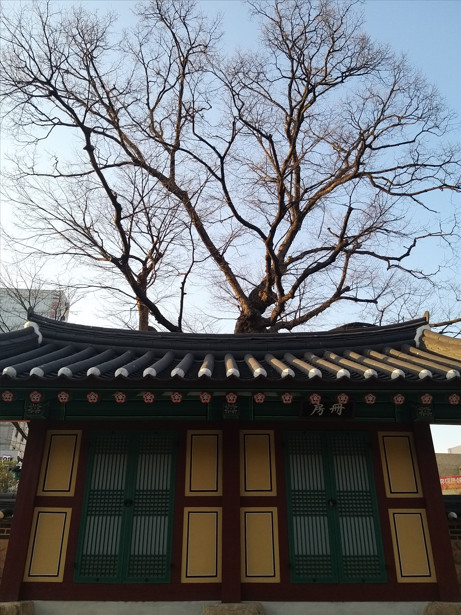
The name literally translates to “book room”. This place was used for book storage and publication. Books collected by the Gangwon Gamyeong, and documents regarding taxation, population, weather conditions and lawsuits of Gangwon Province were stored here. Collection, distribution, printing and publication was mainly carried out at the archive storage. The assistant to the governor also worked at the archives in order to give productive advice to the governor.
Ilgakmun Gate – 일각문
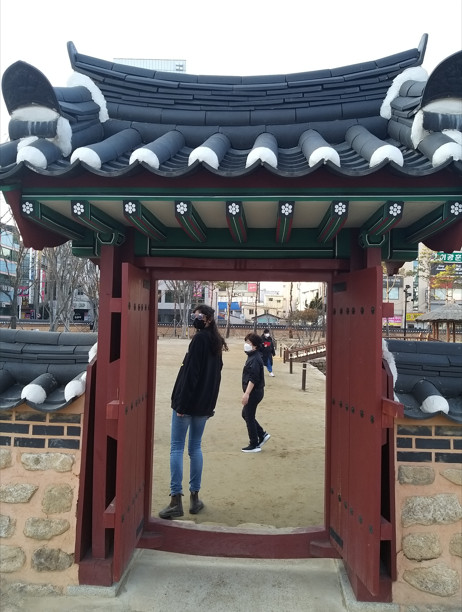
The Ilgakmun gate is smaller than the previous three. It leads to the garden area behind the Provincial Magistrate’s office, which is a nicely landscaped garden called Huwon (Rear Garden). Here the magistrate would entertain his guests, or take a rest.
The garden featured a pond and two pavilions, Bongnaegak and Yeongjuwan, providing a venue for the reception and entertainment of guests. Unlike other provincial magistrate’s offices, the garden in the Provincial Magistrate’s Office of Gangwon was designed to reflect the utopian world of Daoist immortals with three islets symbolizing the Three Sacred Mountains (Samsinsan) and pavilions frequented by immortal beings. The three sacred mountains are Geumgangsan Mountain ,Halla Mountain and Baekdu Mountain.
This Huwon survived the Japanese colonial rule period, and Wonju Post Office took over the spot until a recent restoration project, which revived the original garden.
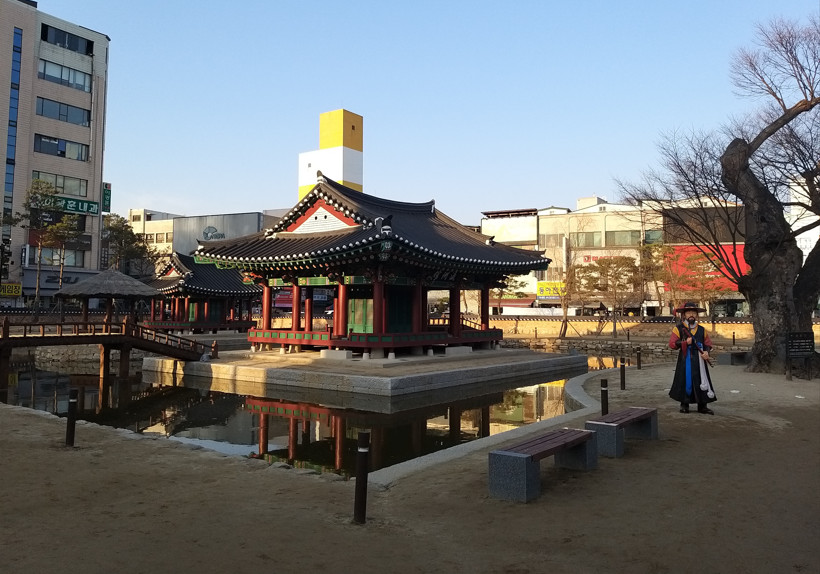
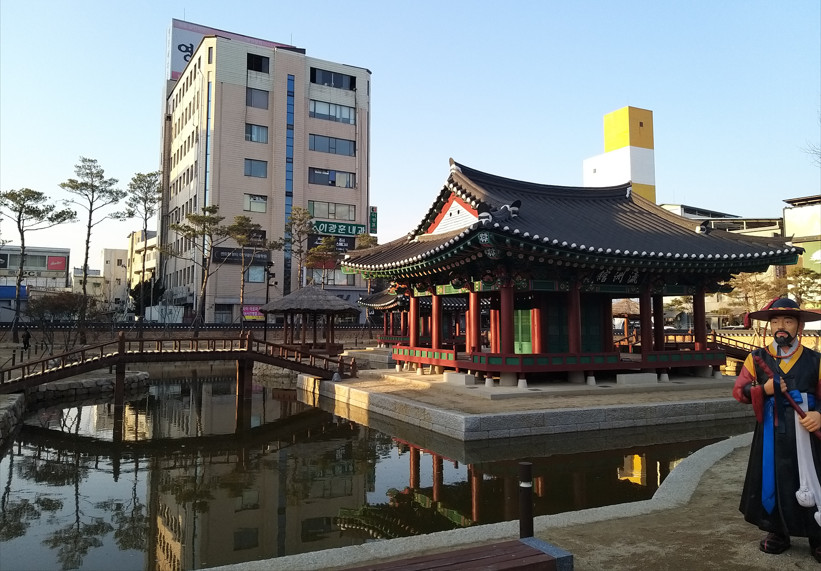
Yeongjugwan – 영주관
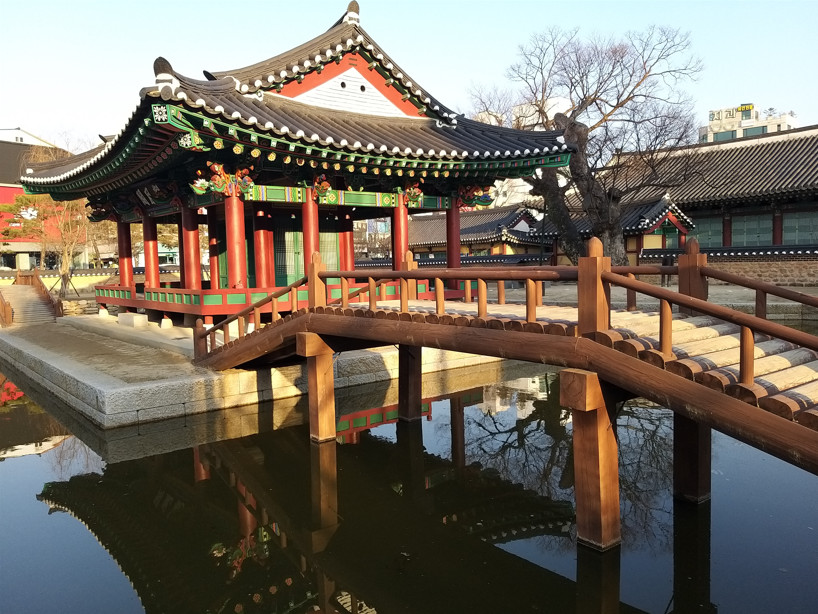
This pavilion is named after Yeongjusan, one of the “Three Divine Mountains” (Samsinsan), where the Daoist immortals are believed to reside.
According to the records written by Oh Hoeng-muk in 1897, Miscellaneous Records of Jeongseon (Jeongseon Chongseorok), the then serving head of Jeongseon-gun, the pavilion originally had two name plaques, Gwanpunggak and Yeongjuwan. Both were hung on the outside and the inside of the building respectively. The pavilion’s nickname, Gwanpunggak is known to derive from the four-character idiom, Gwan-pung-chal-sok, meaning “close observation of customs”.
The pavilion is located at the center of the pond, connected to land with two arched bridges. The bridges were designed with arches, as to allow the passage of a pleasure boat on the pond.
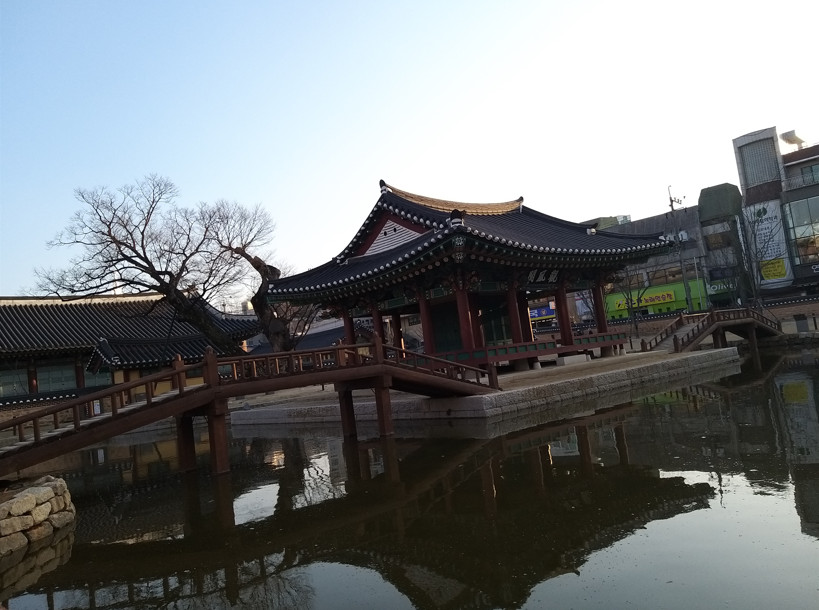
Bongnaegak – 봉래각
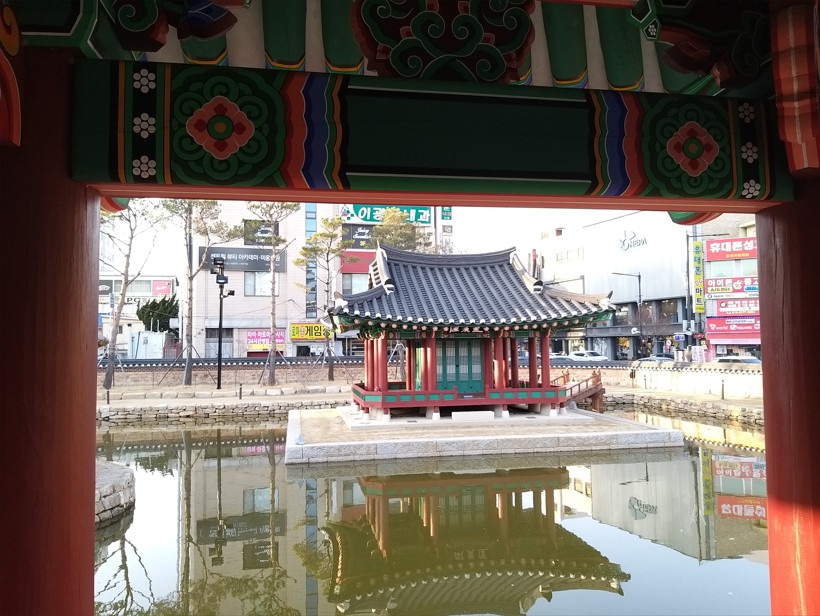
Originally built in 1684 by then Provincial Magistrate Sin Wan, Bongnaegak was the first pavilion building to have appeared in the garden. The builder, Sin Wan, wrote on the ridge beam of the building, that Gangwon-do was the home of the immortals, because their abode, Bongnaesan, used to be located in the province.
Chaeyago – 채약오
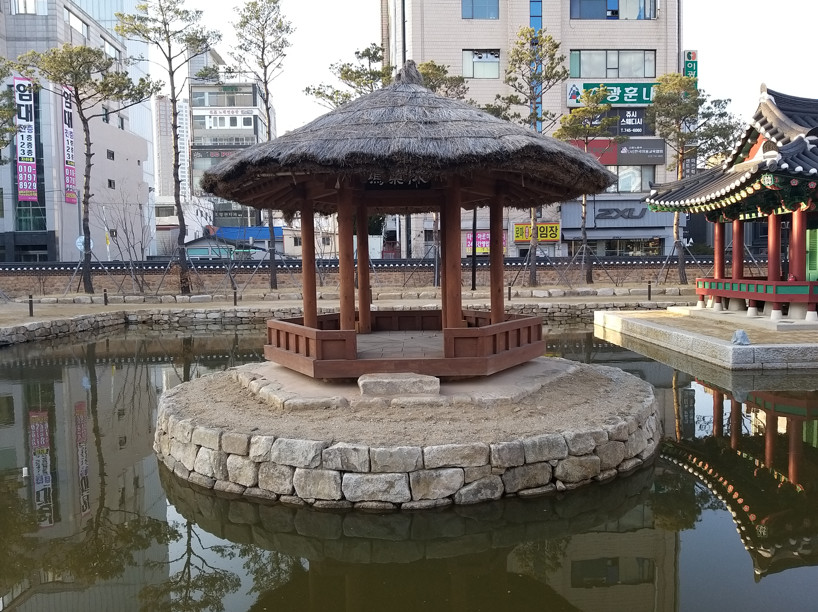
The name originated from the place in the Three Sacred Mountains, where the Daoist Immortals would get Bulnocho (Herb of eternal youth). The original pavilion was built in 1771 by Seo Myeong-seon, the Provincial Magistrate of Gangwon at the time, who put up six pillars under the pond to support the pavilion.
Jojeong Pavilion – 조오정
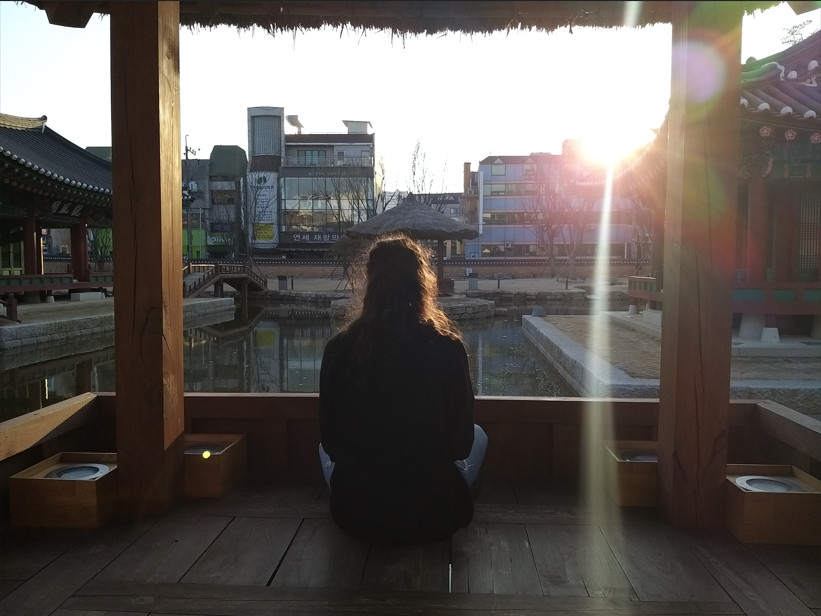
The name of the pavilion, Jojeong (“Pavilion for terrapin catch”), originated from the legend of the Three Sacred Mountains where Daosit immortals spent blissful hours catching terrapins at a pavilion.
According to the legend. there were six terrapins living under the ocean, supporting five mountains until they were caught by the giant named Yongbaek.
* Daoist – Used as a variable of Taoist.
Hope you enjoyed it. Please subscribe and comment, even if it is just your two cents.
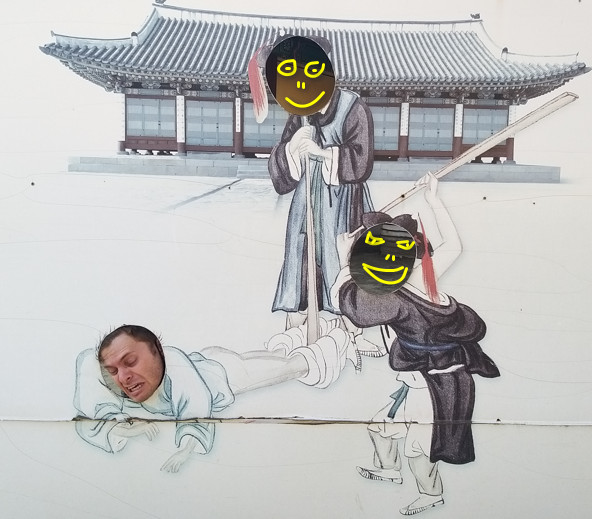
Here is me face:

 Wandering Wentzel