

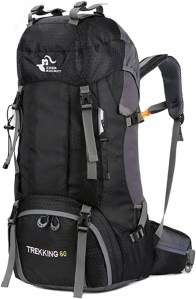
Backpacking the Appalachian Trail can be an incredibly rewarding experience, but it can also be physically and mentally challenging. One of the most important aspects of a successful backpacking trip is having the right gear, and the backpack you choose is no exception. In this article, we’ll dive deeper into the considerations you should keep in mind when selecting a backpack for your Appalachian Trail hike, including the different types of backpacks and the materials they are made from.
Capacity:
The size of your backpack is crucial. If you’re planning a multi-day hike, you’ll need a backpack that’s big enough to fit all your gear, including your sleeping bag, tent, food, and other essentials. The average backpack size for a multi-day hike is around 50-65 liters, but if you need to carry extra gear, you may want to opt for a larger backpack.
Fit:
A backpack that fits well is essential for a comfortable and safe hike. You’ll be carrying your backpack for hours on end, so it’s essential to choose one that distributes the weight evenly across your body. When trying on backpacks, look for models that offer adjustable straps, including the shoulder straps, hip belt, and load lifters, so that you can customize the fit to your body.
Weight:
Reducing the weight of your backpack can improve your endurance and reduce the risk of injury. Look for lightweight materials, such as ripstop nylon, polyester, or Dyneema, and opt for models that have streamlined features.
Material: When choosing a backpack, you’ll want to consider the material that it’s made from. Most backpacks are made from nylon, polyester, canvas, or Dyneema. Nylon is a popular choice because it is lightweight, durable, and water-resistant. It’s also flexible, making it easier to pack and store. Polyester is another common material used in backpacks, and it’s known for its durability and strength. It’s also less prone to wrinkling and is resistant to abrasion. Polyester is another common material used in backpacks, and it’s known for its durability and strength. It’s also less prone to wrinkling and is resistant to abrasion. Canvas is a heavier material and is typically used in backpacks that are designed for rugged use. It’s durable and can withstand wear and tear, but it’s also heavier and can be less comfortable to carry over long distances. Dyneema, also known as Cuben Fiber, is a high-performance material that is incredibly lightweight, strong, and durable. It’s commonly used in high-end backpacks and is ideal for long-distance hiking due to its resistance to abrasion, water, and UV rays.
Comfort: Look for backpacks with features that will help keep you comfortable, such as padded shoulder straps, a breathable back panel, and a hip belt to help distribute the weight of your gear. A well-ventilated back panel will also help prevent sweat buildup, keeping you dry and comfortable. Some backpacks have an adjustable sternum strap, which can help fine-tune the fit and improve comfort.
Durability:

The Appalachian Trail is known for being rugged and challenging, and your backpack will need to be able to withstand the wear and tear of the trail. Look for backpacks made from high-quality materials that can endure the rigors of long-distance hiking. Look for reinforced stitching, quality zippers, and robust buckles.
Organization:
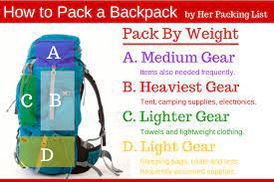
An organized backpack can make all the difference on the trail. Look for backpacks with multiple compartments, pockets, and attachment points that will allow you to easily access your gear and keep everything in its place.
Price:
There a few things in life one should earnestly consider paying a good price for a good item. Your backpack will essentially be your life on the AT. If your backpack is bad, or it is not right in any of the above, your hike could be long and miserable, or even worse, could en prematurely.
In conclusion, choosing the right backpack for your Appalachian Trail hike is an important decision. Consider the capacity, fit, weight, material, comfort, durability, and organization when selecting a backpack. And don’t forget to do your research and try on different models before making a final decision. With the right backpack, you’ll be able to enjoy all that the Appalachian Trail has.

 Wandering Wentzel