
When choosing a shelter for backpacking, there are several important factors to consider. In addition to the type of shelter, it’s important to consider the materials, weight, ease of setup, and price. Here’s a breakdown of the different types of shelters and materials to consider:
Shelter Types:
Tarp Shelter – These lightweight shelters are a popular option among ultralight backpackers because of their low weight and versatility. Tarps can be set up in a variety of configurations, and are often used with trekking poles or other natural anchors like trees. While they offer a lot of freedom and customization, they also require some experience and knowledge to set up properly. They do not offer as much protection from the elements as a traditional tent, and can be difficult to use in areas with heavy winds or rain. However, they are a great option for experienced hikers who prioritize weight savings and versatility.
Hammock Shelter – Hammocks are a popular choice among many hikers, because they offer a unique sleeping experience and can be set up in areas where traditional tents cannot. Hammocks are often more comfortable than sleeping on the ground, and they allow for greater airflow during hot and humid weather. However, hammocks are not suitable for all areas and can be difficult to set up in areas without trees.
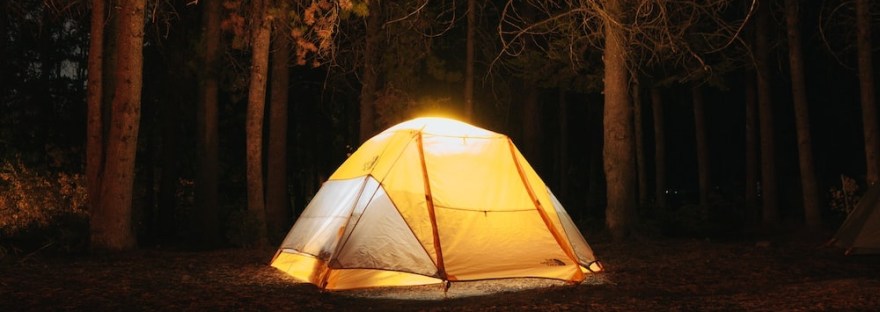
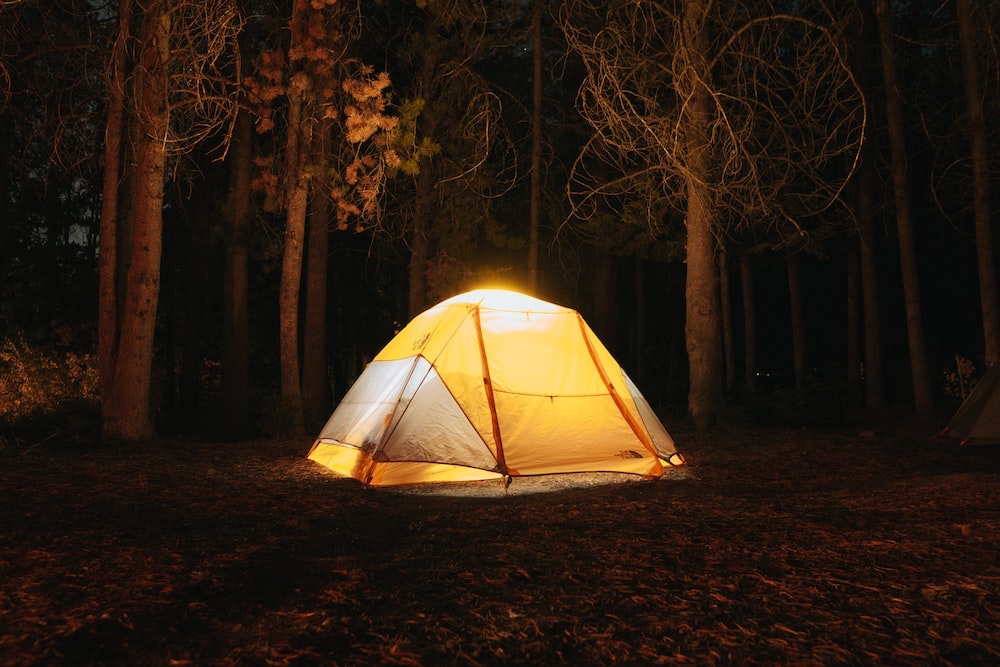
Traditional Tent – Traditional tents are the most popular type of shelter for backpacking. They offer more protection from the elements than tarp shelters or hammocks, and are often easier to set up. There are three main types of traditional tents to consider:
Freestanding Tent: These tents are easy to set up and do not require any additional support or stakes. They are a popular choice among beginner backpackers, because they are easy to use and offer good protection from the elements. However, they are often heavier than non-freestanding tents, and can be less stable in windy conditions if not properly staked for the intense weather conditions one might experience.
Semi-Freestanding Tent: These tents require some support to set up, but do not necessarily need to be staked down. If weather conditions are less than good, it is recommended to stake these down for good measure. They offer a good balance between weight and stability, and are a good choice for backpackers who want a little less weight than freestanding tents.
Non-Freestanding Tent: These tents require stakes or other support to set up. The support could come in the shape of trekking-poles, or decent sticks one might find around the camp site. They are often the lightest option, but can be more difficult to set up and require some experience to use properly. They are a good choice for experienced backpackers who prioritize weight savings.
Additionally, you could consider a Tipi (Teepee) tent. They are often super lightweight and requires some support and stakes to set up.
Material:
When it comes to tent material, there are several options to consider. The most common materials are nylon and polyester, with some manufacturers also using Dyneema. Here’s a breakdown of the different materials and their properties:
Nylon – Nylon is a durable and lightweight material that is often used in tent construction. It is available in a range of denier ratings, with higher denier fabrics being more durable and heavier than lower denier fabrics. Nylon is also water-resistant and offers good protection from the elements.
Polyester – Polyester is another popular material for tent construction. It is often less expensive than nylon, but is also less durable. It is less prone to stretching than nylon, and dries more quickly. However, it is not as water-resistant as nylon and may require additional waterproofing treatments.
Dyneema – Dyneema is a high-performance material that is becoming more popular in tent construction. It is incredibly lightweight and durable, and is often used in ultralight shelters. However, it is also more expensive than nylon or polyester and may require more care to maintain.
Durability:
In addition to the material, it’s important to consider the denier rating of the fabric. A higher denier rating generally means a more durable fabric, but also results in a heavier weight. On the other hand, fabrics with a lower denier rating tend to be lighter, but are more prone to tearing and abrasions. Generally, a denier rating of 30D to 70D is suitable for backpacking in most conditions, while 100D or higher is ideal for harsher conditions where durability is a priority.
Single Wall vs Double Wall:
Another important factor to consider when choosing a shelter for the Appalachian Trail is the type of construction. Single-wall tents are typically lighter and more compact, but can be prone to condensation build-up and may not be as durable. Double-wall tents offer more protection from the elements, but tend to be heavier and bulkier. When considering the construction of a tent, it is important to strike a balance between weight, protection, and durability.
Shelter vs Terrain:
Freestanding tents are generally the most popular option, as they are easy to set up and can be pitched on a variety of terrain. Semi-freestanding tents require some form of support, but offer more livable space and better weather resistance. Non-freestanding tents are the lightest option, but require more skill and experience to pitch properly.
When it comes to tarps, they can be made from a variety of materials, such as silnylon or Dyneema, and can be pitched in a variety of configurations to suit your needs. They are a lightweight and versatile option, but require practice to set up properly and may not provide as much protection from the elements as a tent.
Weight:
In terms of weight, a reasonable ultralightweight recommendation for a backpacking shelter on the Appalachian Trail would be around 2 pounds or less, depending on personal preference and needs.
Season:
When choosing a shelter, you have the option to select how many seasons it should be good for. If it is 1 season, it generally will only be good for Summer. For most, a 3 Season shelter would be perfect, and for the handful brave enough to camp in winter, a 4 Season shelter is recommended.
Temperature:
Most shelters would indicate a temperature on the packaging. This is the minimum temperature that specific shelter could provide a comfortable stay. Obviously your shelter will survive in colder conditions, but you might just end up with a stiff blue condition.
Alternative Shelters:
Depending on the trail you decide to wander on, you might cross fixed trail shelters, such as on the Appalachian Trail. This is a great alternative to taking your own shelter, however, these are often on a first come, first serve basis. Thus, there is no guarantee that you would have a place to stay for the evening. Stay sharp and be prepared.
In conclusion, when choosing a shelter for backpacking the Appalachian Trail, it is important to consider factors such as material, construction, type of shelter, and weight. Ultimately, the choice of shelter will depend on personal preference, as well as the specific conditions and terrain of the trail. By carefully considering these factors and doing research, hikers can find the right shelter to keep them comfortable and safe on their Appalachian Trail journey.
Let me know if I missed something, drop a like, or just give us your two cents. 🙂
Please like, share and subscribe. It means a lot to me.

 Wandering Wentzel