Sleeping Gear
Sleeping gear is essential to a successful hike or backpacking adventure. The sleeping gear along with the shelter, and the backpack is often referred to as the Trinity or the Big 3.
The following should be considered:
⁃ Sleeping Pad
⁃ Sleeping Bag
⁃ Quilt
⁃ Advantages and Disadvantages of Sleeping Bag vs Quilt
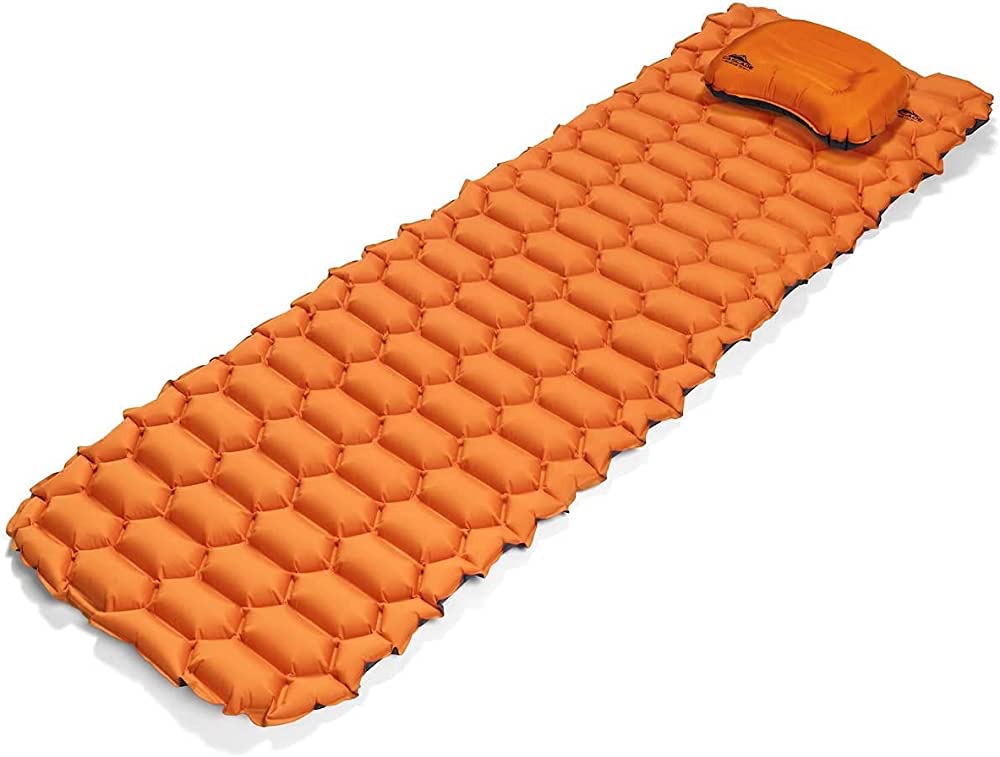
Sleeping Pad: A sleeping pad is an essential piece of gear for any backpacking trip. It provides insulation and cushioning for a good night’s sleep. Here are some things to consider when choosing a sleeping pad:
1. R-Value: The R-value measures the insulating properties of the sleeping pad. The higher the R-value, the more insulation the pad provides. For many trails, usually an R-value of at least 2-3 is recommended for summer, while a rating of 4-5 or higher is recommended for winter.
2. Type of Pad: There are three types of sleeping pads to choose from: closed-cell foam, self-inflating, and inflatable. Closed-cell foam pads are lightweight and also the most durable, but not as comfortable. Self-inflating pads are thicker and more comfortable, but heavier, and depending on your budget, the weight could vary between lighter and heavier in comparison to the others. Inflatable pads are the most comfortable, but can be punctured and depending on your budget, could be the most costly. This higher price factor includes both inflatable and self-inflatable pads.
3. Size and Weight: It’s important to choose a sleeping pad that is lightweight and easy to pack. A lightweight pad can save you a lot of energy while hiking. Choose a pad that is long enough to fit your body, and wide enough to keep you from rolling off. Alternatively, if you plan on saving some important weight, choose one that would fit from your hips to your head. You could use your backpack to rest your legs on while sleeping.
I ended up choosing the Klymit Static V Inflatable Insulated. Without a doubt it seemed like the best-budget sleeping pad, offering good quality, insulation and minimal weight.
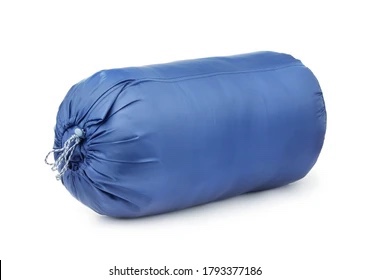
Sleeping Bag: A sleeping bag is another essential piece of gear for thru-hiking and backpacking. It provides warmth and insulation during the night. Here are some things to consider when choosing a sleeping bag:
1 – Temperature Rating: The temperature rating of a sleeping bag is the minimum temperature at which you’ll stay warm and comfortable in the bag. For many trails, a 20-30 degree Fahrenheit bag is usually sufficient for summer, while a 0-20 degree bag is recommended for winter.
2 – Type of Insulation: There are two types of insulation to choose from: down and synthetic. Down insulation is lightweight and compressible, providing more warmth for less weight. However, it loses its insulating properties when wet. Synthetic insulation is bulkier and heavier, but retains its insulating properties when wet.
3 – Shape: Sleeping bags come in two shapes: mummy and rectangular. Mummy bags are more efficient at trapping heat, but can feel restrictive. Rectangular bags are more spacious and comfortable, but less efficient at trapping heat. Another important factor to consider is that some sleeping bags come with a hood, while others just have a flap, or nothing at all foor your head.
4 – Size and Weight: Choose a sleeping bag that is lightweight and easy to pack. A lightweight bag can save you a lot of energy while hiking. Make sure the bag is long enough to fit your body, and wide enough to allow you to move around inside.
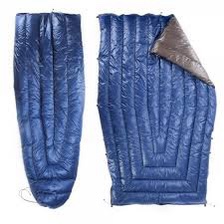
Quilt: Quilts are an alternative to sleeping bags. The community is divided on whether quilts or sleeping bags are better, however, it all comes down to your own preferences and the trail your plan to conquer. To be honest, to me they seem to be the same, but I have yet to become a master backpacker. I recently got myself a quilt which also functions as a cape-blanket, which can wrap around you. This has many different uses, and can keep you warm without having the same restrictions a sleeping bag would have.
Things to consider when choosing a Quilt:
1 – Temperature Rating: Quilts, like sleeping bags, come with temperature ratings. The temperature rating of a quilt is the minimum temperature at which you’ll stay warm in the quilt. It is wise to choose a temperature rating that would cover the expected temperatures. Don’t get a quilt with a temperature rating of 50 degrees for winter.
2 – Type of Insulation: Quilts are typically filled with either down or synthetic insulation. Down insulation is lightweight and compressible, providing more warmth for less weight. However, it loses its insulating properties when wet. Synthetic insulation is bulkier and heavier, but retains its insulating properties when wet.
3 – Design: Quilts are designed to be lightweight and highly compressible. They typically have a footbox and can be attached to your sleeping pad to prevent drafts. Some quilts also have a built-in hood or collar to keep your head warm.
4 – Size and Weight: Quilts are typically lighter and more compact than sleeping bags. A lightweight quilt can save you a lot of energy while hiking. Make sure the quilt is long enough to fit your body, and wide enough to allow you to move around inside.
5 – Comfort: Quilts can be more comfortable than traditional sleeping bags because they allow for more freedom of movement. However, they may not be as warm as a sleeping bag with the same temperature rating because they don’t have a hood or collar to keep your head warm.
Advantages and Disadvantages:
Quilts and traditional sleeping bags each have their own advantages and disadvantages for backpacking. Here is a comparison of the two:
Advantages of Quilts:
1. Lightweight and compact: Quilts are generally lighter and more compact than traditional sleeping bags, making them easier to carry and pack.
2. More freedom of movement: Quilts are designed to be more spacious and allow for more freedom of movement than traditional sleeping bags, which can be restrictive.
3. Temperature regulation: Quilts can be used as blankets, allowing for more precise temperature regulation, which can be helpful in changing weather conditions.
4. Versatility: Quilts can be used in various configurations, such as opening them up on warmer nights, making them more versatile than traditional sleeping bags.
Disadvantages of Quilts:
1. Less insulation: Quilts may not provide as much insulation as a traditional sleeping bag with the same temperature rating because they lack a hood or collar to keep your head warm.
2. Drafts: Quilts may not be as effective at preventing drafts as traditional sleeping bags, which can be problematic in colder weather.
Advantages of Traditional Sleeping Bags:
1. Better insulation: Traditional sleeping bags typically provide better insulation than quilts, making them a better choice in colder weather.
2. More secure: Traditional sleeping bags typically have a secure hood or collar to keep you warm and prevent drafts.
3. Wide availability: Traditional sleeping bags are more widely available and easier to find than quilts.
Disadvantages of Traditional Sleeping Bags:
1. More restrictive: Traditional sleeping bags can be restrictive, limiting your ability to move around freely.
2. Bulkier and heavier: Traditional sleeping bags are generally bulkier and heavier than quilts, making them more cumbersome to carry and pack.
I chose to go with a quilt, the Get Out Gear down camping blanket (quilt). Racks up at about $70, but seems like a very good and versatile product.
In conclusion, choosing the right sleeping pad and sleeping bag/quilt for the trail is essential for a successful and comfortable thru-hike. Consider the temperature rating, type of insulation, shape, size, and weight of both the sleeping pad and sleeping bag/quilt when making your decision. Don’t forget to also consider the R-value of the sleeping pad, which measures its insulating properties. For winter hikes, choose gear with higher temperature ratings and R-values to stay warm and comfortable.

 Wandering Wentzel